Menu


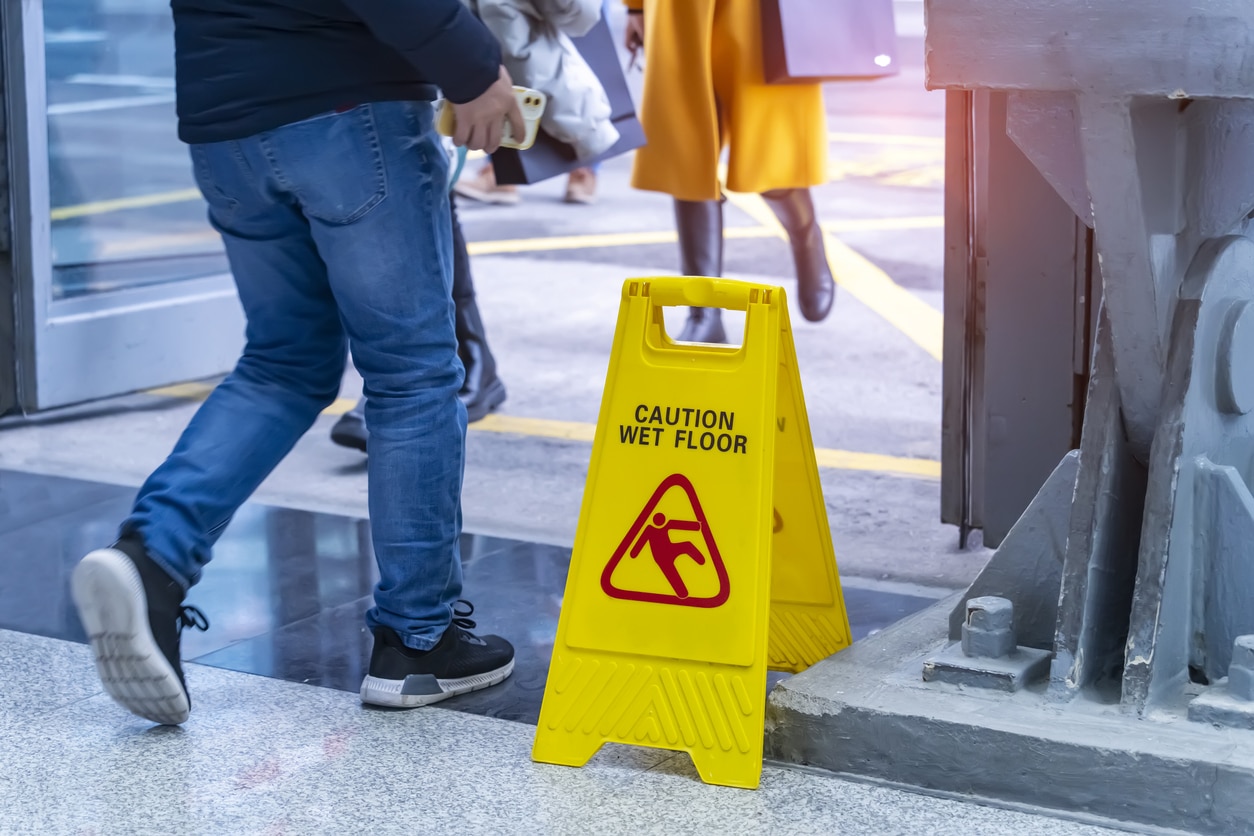
Florida property owners have a legal duty to keep their premises safe. When someone slips on a wet floor, trips on broken pavement, or falls because of poor lighting or another hidden hazard and is injured, they deserve compensation for their injuries, including medical bills, lost wages, and other losses.
Unfortunately, insurance companies often deny responsibility, claiming you were not paying attention, that the hazard was “open and obvious,” or that your injuries are not as serious as you claim.
The Florida slip, trip, and fall attorney team at Saka Bryant can determine who was at fault for causing your injuries and fight to hold them responsible for the harm they caused. Contact Saka Bryant today to schedule a free and confidential appointment to discuss your situation and how we can assist you.
A premises liability claim can arise when a person is injured because of an unsafe condition on someone else’s property. Injuries caused by slips, trips, and falls are among the most common premises liability claims.
Florida premises liability law is based on the idea that a property owner knows of potential hazards on their property and owes a duty to the individuals who come onto their property to maintain their premises reasonably safe. The property owner’s legal duty varies depending on the nature of their relationship with the guest.
Slip and fall accidents can happen when the surface is unexpectedly slick, such as from spilled liquids, recently mopped floors, or water tracked in from outside. Trip and fall accidents usually involve an obstacle in a person’s path, like a torn or rolled-up rug, uneven pavement, loose cords, or debris left in a walkway.
Property owners have a legal duty to address hazards promptly by correcting the dangerous condition or by warning visitors with signs, cordoning off the area, or having an employee direct visitors away from the hazard. When a visitor is injured by a hazardous condition that the property owner or tenant knew or should have known about, the property owner or tenant can be held liable.
These two types of falls tend to cause different injuries. A person who slips on a wet surface often falls backward as their feet slide out from under them. They may experience injuries to their head, neck, and back, as well as bruising, broken bones, and other traumatic injuries. In a trip and fall accident, a person stumbles over an object in their path. They typically fall forward and try to brace themselves by extending their arms in front of them to break the fall. Trip and fall accidents often result in injuries to the hands, arms, and head.
If you were injured in a slip, trip, and fall accident, you may be facing mounting medical bills, lost time from work, lost wages, and other losses. To win your case, you must prove the property owner knew or should have known of the hazard but failed to address it. This may include gathering photographs and video of the hazardous condition, weather reports, incident reports, and eyewitness testimony.
Just because a person was injured on someone else’s property, they are not necessarily entitled to compensation. Under Florida’s “open and obvious” doctrine, property owners are not responsible for hazards that are open and obvious. If a reasonable person would have noticed the hazard and avoided it, it may be considered open and obvious and could limit your right to compensation. Our experienced attorneys can evaluate your situation and advise you on whether you can seek financial compensation for your injuries.
The slip, trip and fall attorney team at Saka Bryant represents injured people throughout Florida. Contact our law office today to schedule a free, confidential, no-obligation appointment to discuss your situation and how we can assist you.

© 2026 Saka Bryant, P.A.
| View Our Disclaimer | Privacy Policy
Law Firm Website Design by The Modern Firm